
Introduction
Hybrid learning has emerged as an innovative approach to higher education by combining traditional classroom instruction with online learning methods. In diploma courses, this model offers students the advantages of face-to-face teaching while also providing the flexibility of digital education. As educational institutions continue to adopt technology-enhanced learning, hybrid diploma programs have become increasingly popular across disciplines such as engineering, business, healthcare, information technology, hospitality, education, agriculture, and design.
Unlike fully online or fully offline education, hybrid learning creates a balanced academic environment where students participate in both classroom activities and virtual learning experiences. This approach encourages active learning, greater accessibility, and improved engagement while maintaining academic quality.
This article explains how hybrid learning works in diploma courses, its features, benefits, challenges, and the educational value it provides.
What Is Hybrid Learning?
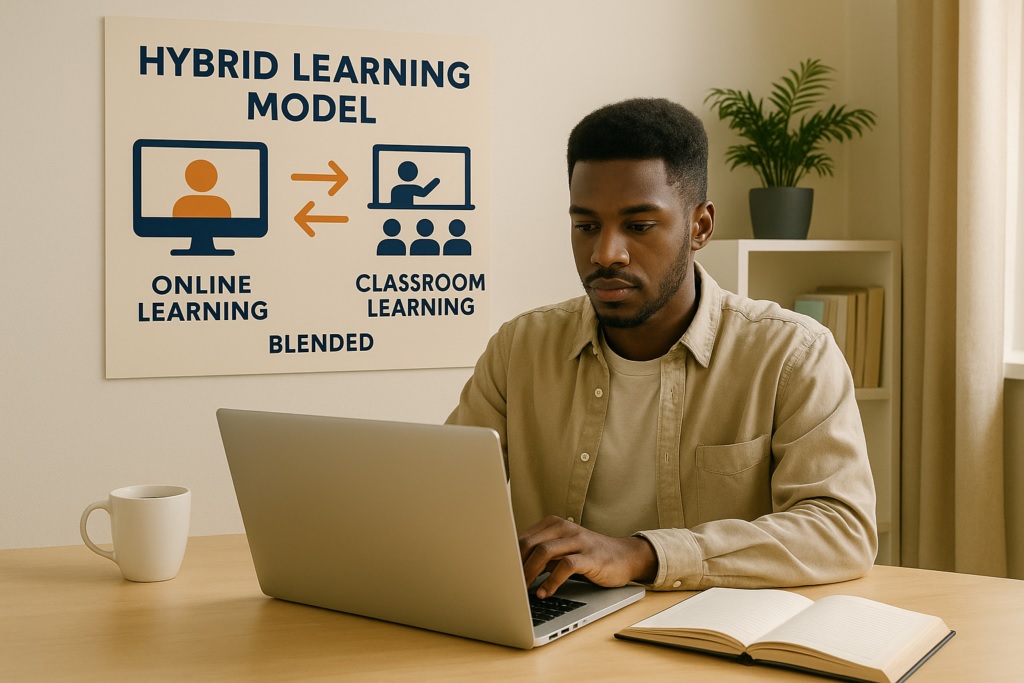
Hybrid learning is an educational model that combines in-person classroom instruction with online learning activities. Students attend selected classes on campus while completing other learning tasks through digital platforms.
Hybrid diploma courses may include:
- Classroom lectures
- Online lectures
- Virtual discussions
- Laboratory sessions
- Digital assignments
- Recorded learning materials
- Practical workshops
- Online assessments
This combination provides flexibility without eliminating direct interaction with faculty.
How Hybrid Learning Works
Educational institutions organize hybrid diploma programs by dividing learning activities between classroom and online environments.
Students generally:
- Attend scheduled campus sessions
- Access online study materials
- Participate in virtual discussions
- Complete digital assignments
- Attend laboratory practicals
- Submit projects electronically
- Appear for examinations according to institutional guidelines
The exact structure varies depending on the course and institution.
Components of Hybrid Diploma Courses
Hybrid learning includes several integrated elements.
Classroom Instruction
Face-to-face sessions allow students to:
- Learn complex concepts
- Participate in discussions
- Receive immediate guidance
- Interact with classmates
- Engage in collaborative learning
Online Learning
Digital learning supports education through:
- Recorded lectures
- E-books
- Learning management systems
- Online quizzes
- Discussion forums
- Interactive presentations
Students can review materials multiple times to improve understanding.
Practical Sessions
Many diploma courses require practical education.
Hybrid programs continue to include:
- Laboratory work
- Workshops
- Demonstrations
- Technical exercises
- Project activities
Hands-on learning remains an essential part of diploma education.
Benefits of Hybrid Learning
Hybrid learning offers numerous academic advantages.
Flexibility
Students can balance classroom attendance with independent online study.
Better Access to Learning Resources
Digital platforms provide continuous access to:
- Lecture recordings
- Study notes
- Assignments
- Practice exercises
- Reference materials
Improved Learning Experience
Combining classroom teaching with online resources helps reinforce concepts through multiple learning methods.
Greater Student Engagement
Students participate through:
- Group discussions
- Online forums
- Classroom activities
- Interactive assignments
This variety encourages active participation.
Stronger Time Management
Hybrid learning encourages students to organize their schedules effectively while meeting both online and classroom requirements.
Challenges of Hybrid Learning
Despite its advantages, students may encounter certain challenges.
These include:
- Managing independent study
- Adapting to digital platforms
- Balancing online and offline activities
- Maintaining consistent participation
- Organizing study schedules
Developing good study habits helps students succeed in hybrid learning environments.
Skills Developed Through Hybrid Learning
Hybrid education strengthens both academic and personal skills.
Students improve:
- Digital literacy
- Communication
- Time management
- Self-discipline
- Collaboration
- Research abilities
- Problem-solving
- Independent learning
These competencies support future educational success.
Faculty Support
Faculty members continue to play an important role in hybrid diploma programs.
They provide:
- Classroom instruction
- Online mentoring
- Assignment feedback
- Academic counseling
- Practical supervision
- Assessment guidance
Regular interaction ensures that students receive continuous academic support.
Tips for Success
Students can maximize hybrid learning by following effective study practices.
Helpful suggestions include:
- Attend classroom sessions regularly
- Participate actively in online discussions
- Complete assignments on time
- Review recorded lectures
- Maintain organized study notes
- Practice effective time management
- Seek academic guidance whenever needed
Consistency leads to improved learning outcomes.
Conclusion
Hybrid learning combines the strengths of traditional classroom education and digital learning to create a flexible and engaging academic experience. Through face-to-face instruction, online resources, practical training, and continuous assessment, hybrid diploma courses support comprehensive learning while adapting to modern educational needs. Students who actively participate in both learning environments can develop strong academic foundations and valuable lifelong learning skills.