
Introduction
Academic discipline does not develop by chance. It grows through consistent expectations, predictable structures, and intentional routines that support productive learning behaviors. Classroom routines help students understand what is expected of them, how to manage their time, and how to participate responsibly in learning activities.
When teachers establish clear daily procedures, students spend less time guessing what to do and more time focusing on academic tasks. Predictability builds confidence, reduces distractions, and strengthens responsibility. Over time, routines shape habits that support long-term academic success.
Effective routines are not rigid systems that restrict student expression. Instead, they create a structured environment where learners can concentrate, collaborate, and grow with purpose.
Understanding Academic Discipline in the Classroom
Academic discipline refers to students’ ability to manage their behavior, attention, and effort in ways that support learning. It includes organization, persistence, responsibility, and respect for instructional time.
Strong academic discipline allows students to:
- Follow directions efficiently
- Stay focused during lessons
- Complete assignments on time
- Participate respectfully in discussions
- Manage transitions between tasks smoothly
Classroom routines provide the framework that makes these behaviors possible. Without structure, expectations remain unclear and consistency becomes difficult to maintain.
Why Classroom Routines Matter for Student Success
Routines support both academic progress and classroom culture. They reduce uncertainty and help students develop independence.
When routines are implemented effectively, they:
- Increase instructional time
- Reduce classroom disruptions
- Improve student confidence
- Support emotional stability
- Encourage responsibility for learning
Students thrive in environments where expectations remain consistent from day to day. Structure helps them focus their attention on learning instead of adjusting to unpredictable classroom conditions.
Morning Entry Routines That Set the Tone for Learning
The first few minutes of class shape the entire learning experience. A structured entry routine signals that the classroom is a place for purposeful activity.
Effective entry routines may include:
- Greeting the teacher at the door
- Preparing materials immediately
- Beginning a warm-up activity
- Reviewing daily learning goals
- Recording assignments in planners
These simple steps create a calm transition from outside distractions to academic focus. Over time, students begin each day with confidence and readiness.
Teachers who establish consistent entry routines often notice fewer behavioral interruptions during the first instructional period.
Clear Transition Procedures Between Activities
Transitions can either support learning or disrupt it. Without clear expectations, students may lose focus or waste valuable time moving between tasks.
Strong transition routines help students:
- Shift attention quickly
- Prepare materials efficiently
- Maintain classroom organization
- Stay engaged throughout the lesson
Examples of effective transition routines include:
- Using verbal countdowns before activity changes
- Assigning material managers within groups
- Posting visual reminders of next steps
- Practicing movement procedures regularly
Predictable transitions reduce confusion and help students remain mentally prepared for each new learning segment.
Structured Lesson Opening Routines
A consistent lesson opening helps students understand what they are about to learn and why it matters.
Teachers can begin lessons with routines such as:
- Reviewing previous learning
- Introducing lesson objectives
- Asking guiding questions
- Activating background knowledge
- Previewing key vocabulary
When students know what to expect at the beginning of each lesson, they develop stronger focus and engagement.
Opening routines also create continuity between lessons, which supports long-term understanding.
Independent Work Routines That Strengthen Responsibility
Students need clear expectations for working independently. Without guidance, some learners may become distracted or unsure about how to begin.
Effective independent work routines include:
- Reviewing task instructions before starting
- Establishing quiet working expectations
- Providing time checkpoints
- Encouraging self-monitoring strategies
- Offering structured help-request procedures
These routines help students manage their learning without constant teacher supervision. Over time, independence becomes a natural habit rather than a challenge.
Collaborative Learning Routines That Promote Accountability
Group work can support academic discipline when structured properly. Without routines, collaboration may lead to confusion instead of productivity.
Strong collaboration routines include:
- Assigning specific group roles
- Establishing discussion expectations
- Setting time limits for tasks
- Practicing respectful listening behaviors
- Monitoring participation levels
These routines help students remain focused during group activities and ensure that collaboration supports learning goals.
Students learn that teamwork requires responsibility as well as cooperation.
Assignment Submission Procedures That Build Organization Skills
Clear submission routines reduce confusion and improve accountability. Students should always know how and when to submit their work.
Effective submission routines may include:
- Designated submission locations
- Digital assignment platforms
- Checklist verification before submission
- Color-coded folders for organization
- End-of-class submission reminders
When submission expectations remain consistent, students develop habits that support academic responsibility across subjects.
Classroom Discussion Routines That Encourage Respectful Participation
Discussion routines help students share ideas confidently while maintaining respect for others.
Teachers can strengthen discussion discipline by:
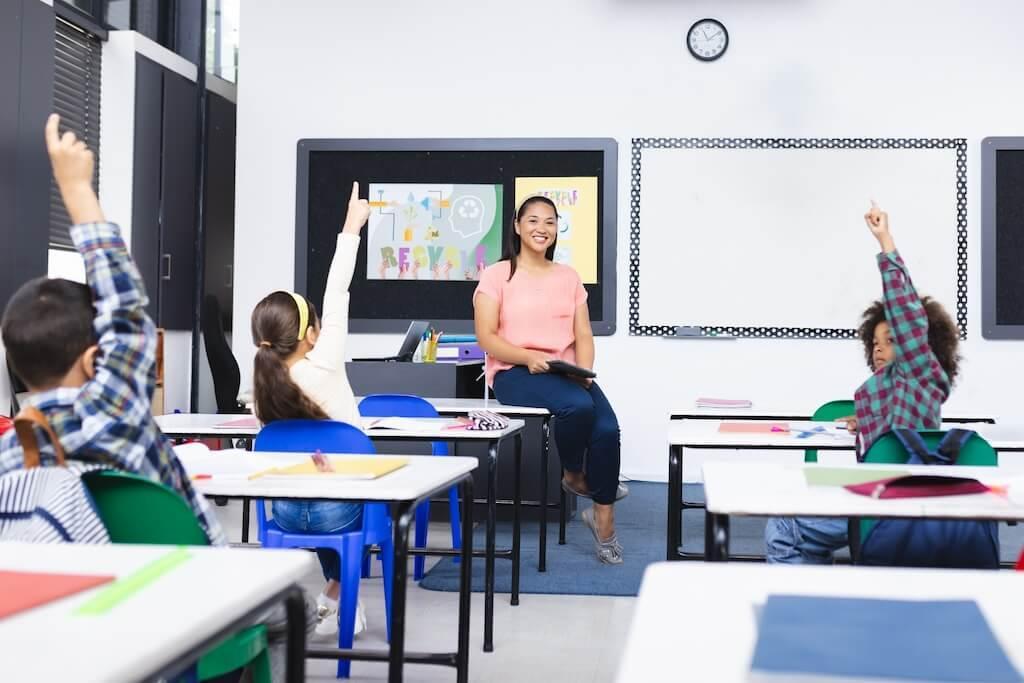
- Teaching hand-raising procedures
- Establishing turn-taking expectations
- Encouraging evidence-based responses
- Modeling respectful disagreement
- Using structured discussion formats
These routines create a safe learning environment where students feel comfortable expressing ideas without interrupting others.
Respectful communication becomes part of the classroom culture.
Homework Routines That Support Consistent Study Habits
Homework routines extend academic discipline beyond the classroom. Students benefit from knowing how assignments connect to learning goals.
Effective homework routines include:
- Recording assignments daily
- Reviewing expectations before dismissal
- Providing completion timelines
- Offering structured reflection opportunities
- Checking homework consistently
Predictable homework procedures strengthen responsibility and reinforce classroom learning.
Students begin to view homework as part of a learning process rather than an isolated task.
End-of-Class Reflection Routines That Reinforce Learning
Closing routines help students consolidate what they learned and prepare for the next lesson.
Examples of effective closing routines include:
- Summarizing key ideas
- Completing exit reflections
- Identifying remaining questions
- Reviewing upcoming tasks
- Organizing materials before dismissal
Reflection strengthens memory and helps students recognize their academic progress.
These routines also provide teachers with valuable feedback about student understanding.
Behavior Expectation Routines That Support Consistency
Students perform better when expectations remain clear and consistent across situations.
Teachers can reinforce behavior routines by:
- Reviewing expectations regularly
- Modeling appropriate behavior
- Recognizing positive participation
- Practicing procedures explicitly
- Responding consistently to disruptions
Consistency helps students understand that routines are reliable parts of the learning environment rather than temporary rules.
Predictable expectations support both academic focus and classroom stability.
Teacher Modeling as a Foundation for Strong Routines
Students learn routines most effectively through observation. Teachers who model organization, preparedness, and respectful communication demonstrate what academic discipline looks like in practice.
Modeling includes:
- Starting lessons on time
- Demonstrating organization strategies
- Showing how to follow instructions carefully
- Using respectful communication consistently
When teachers model discipline, students are more likely to adopt similar habits.
Modeling transforms expectations into visible behaviors that students can follow confidently.
Adapting Routines for Different Grade Levels
Effective routines should reflect students’ developmental needs.
In elementary classrooms, routines often include:
- Visual schedules
- Movement cues
- Repeated practice opportunities
In middle school classrooms, routines may focus on:
- Time management strategies
- Organization systems
- Collaborative expectations
In high school classrooms, routines typically support:
- Independent learning responsibility
- Academic planning skills
- Long-term project management
Adjusting routines by grade level ensures that expectations remain appropriate and effective.
Maintaining Routine Consistency Throughout the School Year
Routines become powerful when they remain stable over time. Frequent changes can weaken expectations and reduce effectiveness.
Teachers maintain routine consistency by:
- Reviewing procedures regularly
- Practicing routines after breaks
- Reinforcing expectations calmly
- Providing reminders when needed
- Celebrating routine success
Consistency helps students internalize expectations and develop reliable learning habits.
Over time, routines shift from teacher-directed instructions to student-led behaviors.
Conclusion
Classroom routines play a central role in building academic discipline. They reduce confusion, strengthen responsibility, and create predictable learning environments where students can succeed. When teachers implement structured procedures for entry, transitions, collaboration, assignments, and reflection, they support habits that improve both behavior and academic performance. Strong routines transform classrooms into organized learning communities where students understand expectations and participate with confidence.
FAQ Section
1. How long does it take for classroom routines to become effective
Most routines become reliable after several weeks of consistent practice and reinforcement. Regular repetition helps students internalize expectations.
2. Should classroom routines change during the school year
Core routines should remain stable, but teachers can adjust procedures as students develop stronger independence or as instructional needs evolve.
3. How can teachers introduce routines without overwhelming students
Teachers can introduce routines gradually by teaching one procedure at a time and practicing it before adding additional expectations.
4. What role does classroom layout play in supporting routines
Physical organization supports routines by making movement predictable, materials accessible, and expectations easier to follow.
5. How can routines support students who struggle with attention
Structured routines reduce uncertainty and provide predictable steps, which helps students remain focused and manage transitions more effectively.
6. Can routines improve student confidence
Yes. Predictable expectations help students understand what to do and reduce anxiety about classroom participation.
7. How can substitute teachers maintain classroom routines effectively
Providing written procedure guides and clearly posted expectations helps substitute teachers continue established routines successfully.
If you would like another article on classroom management strategies that complement academic discipline routines, I can prepare one with the same structure and depth. 📘